What This Guide Is About
The bedroom is not just a place to sleep. It is where your body and mind truly relax and recover. If you often feel like you sleep badly, dream a lot and wake easily, get up feeling drained, or feel irritable, then beyond your daily routine and stress, it is worth taking a fresh look at how your bedroom is arranged. This guide is for you if you are tidying your room, have just moved into a new home, or want to improve your sleep quality.
The Principle: A Bedroom Calls for "Stillness" and "Calm"
The traditional luck-improvement principle for bedrooms comes down to two words: stability and calm. When we sleep we are at our most defenseless, so anything disturbing in the environment directly affects the quality of our rest. Items that reflect light, sway, give off heat, carry an odor, or bring a sense of clutter all make it harder for the body to reach deep relaxation. This is not superstition meant to scare you. Much of it has practical sense behind it, and once you understand it, you will know exactly how to adjust.
What You Will Need
- An afternoon set aside for tidying
- A few storage boxes or a cabinet
- A cloth or a screen (kept ready for covering a mirror)
- Cleaning cloths and supplies
- Pen and paper to note down items to move or replace
Step by Step
-
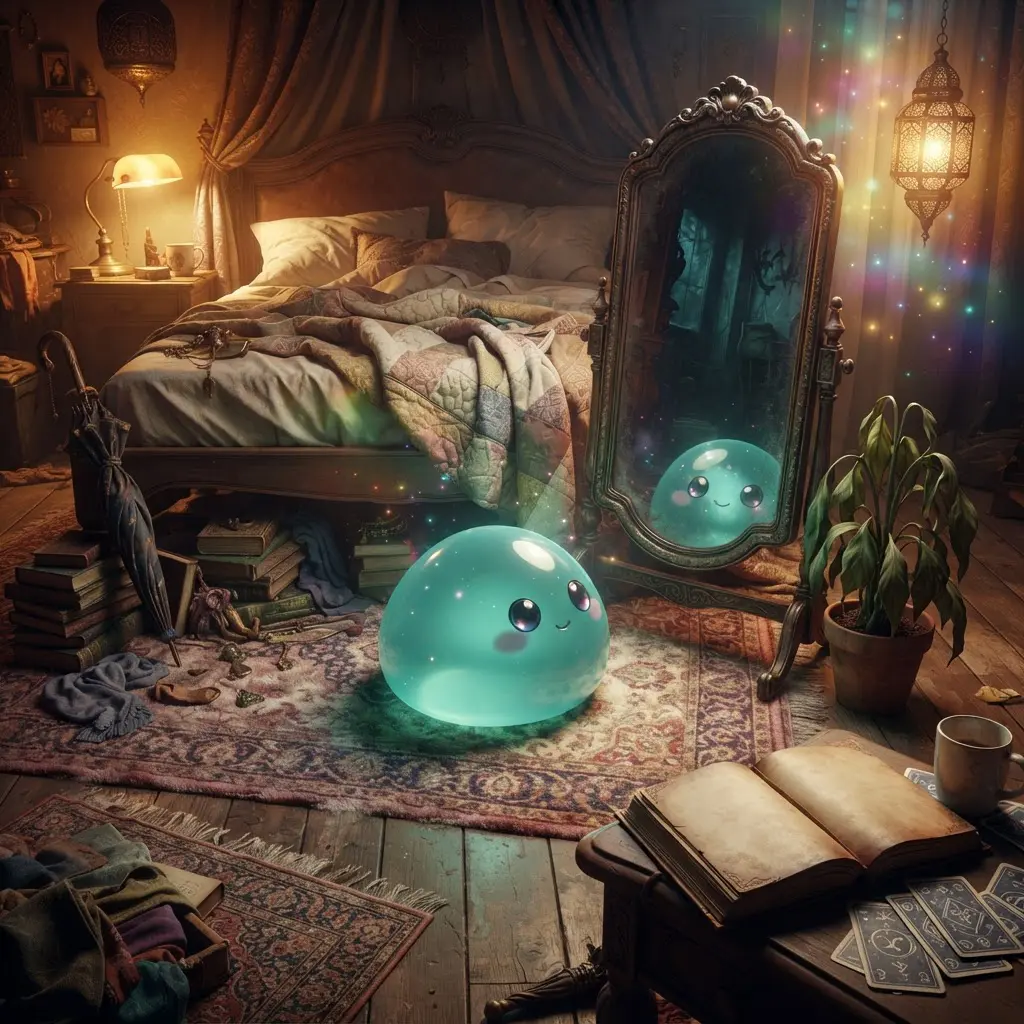
Deal with mirrors first. Check every mirror in the bedroom, especially any facing the bed that reflects you while you sleep. A mirror that shows your reflection while you lie down can startle you at night and leave you unsettled. Move it to a spot where it does not face the bed. If moving it is not possible, cover it with a cloth before sleep, or add a door panel or screen to block it.
-
Remove fish tanks and large water features. Water flows, makes noise, and brings dampness, all of which work against the calm a bedroom needs. It is better to move a fish tank to the living room or entryway, and keep the bedroom dry and quiet.
-
Swap out oversized plants. Large plants compete with you for oxygen at night, and their dense foliage can make a room feel cramped. Instead, add just one or two small, easy-care green plants as accents. There is no need for many.
-
Cut down on electronics. Items like a TV, computer, router, and phone charging dock give off heat, generate electromagnetic activity, and glow on standby. Move them out of the bedroom where you can, or at least keep them away from the head of the bed. If you really must keep them, power them off or unplug them before sleep, and do not let a screen's light keep you company as you drift off.
-
Put away sharp objects. Scissors, knives, metal hooks, and decorations with sharp corners should not sit out in the open by the bed. Store them in a drawer or cabinet so that everything within your line of sight stays as round and soft as possible.
-
Relocate deity statues and Buddha figures. A bedroom is used for changing clothes and for intimate moments, so it is not a suitable place for worship. It is better to move deity statues and Buddha figures (Shen Xiang Fo Xiang, 神像佛像) to the living room or a dedicated quiet room. If space is truly limited, at least add a door panel or a curtain to separate them from the bed.
-
Throw out dried flowers and withered plants. Dried flowers and dead bouquets carry a message of "withering" (Ku, 枯), and they also collect dust and harbor dust mites. If you want the beauty of flowers, use fresh flowers or well-kept artificial ones instead, and replace them regularly.
-
Clear out under the bed. Do not stuff the space under the bed with clutter, old belongings, or cardboard boxes. This is the space directly beneath your body while you sleep, and piled-up clutter blocks the flow of energy and lets dust accumulate. If you must store things under the bed, keep only clean, frequently used, sleep-related items there, such as seasonal bedding, and clean the space regularly.
-
Do one final walk-through. Clear the clutter off your desk, nightstand, and the top of the wardrobe, so the bedroom returns to a fresh, simple state. Once you are done, open the windows to air out the room and let the air circulate again.
Cautions and Common Mistakes
- Do not cram a pile of lucky charms into the bedroom in the name of "improving luck." The more items and clutter there are, the harder it is to feel settled. Less is better.
- Mirrors are not forbidden. The key is that they should not face the bed or reflect you while you sleep. A mirror you need for grooming is perfectly fine when placed correctly.
- Electronics are not completely off-limits either. The point is to reduce their activity and light while you sleep, and to unplug whatever you can.
- Tidying is not finished once you clear everything out one time. Keeping the space clean and well-aired is what makes the difference in the long run.
A Final Word
At its heart, arranging your bedroom is about helping you sleep soundly and wake up refreshed. Rather than chasing elaborate setups, leave the space open and keep it clean, and your body will naturally thank you for the freshness.